Work Pray Rest: A Thoughtful Embroidery Design for Real-Life Making
As someone who’s stitched hundreds of custom pieces—from boutique aprons to baby onesies and Etsy bestsellers—I opened the Work Pray Rest embroidery file with quiet curiosity, not hype. This isn’t just another inspirational quote cut file. It’s a mood, a rhythm, and a very human pause in the middle of busy making. I tested it on a heavyweight cotton tote bag destined for a local yoga studio’s gift shop—and that’s where its strengths and subtle limits became clear.
First Impressions: Calm, Clean, and Craft-Ready
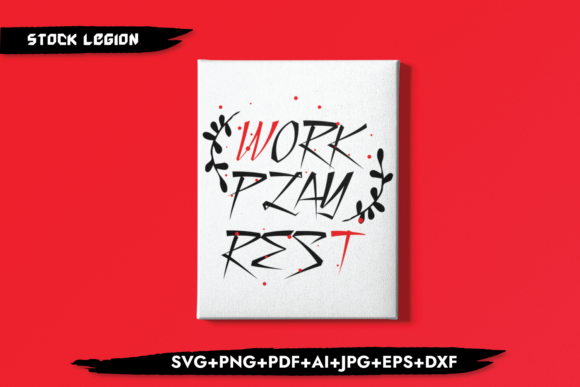
Work Pray Rest lands softly. The layout is horizontal, balanced, and unhurried—three words spaced with gentle breathing room, not cramped or stacked. There’s no ornate script or excessive flourishes; instead, it uses clean, slightly rounded sans-serif lettering that reads clearly at 4–5 inches wide. That matters. Too many “inspirational” designs sacrifice legibility for prettiness—this one doesn’t. It feels grounded, intentional, and quietly confident—like something you’d stitch on a linen tea towel for a friend’s housewarming, not slap on a glittery t-shirt for a flash sale.
The included files—SVG, PNG, PDF, and high-res 6×6 transparent PNG—are well-organized and production-ready. As a designer who often reworks vector files for stitch optimization, I appreciated the smooth paths and lack of stray anchor points. No cleanup needed before digitizing. That saves real time when prepping for commercial embroidery.
Where Work Pray Rest Shines in Real Projects
- Embroidered tote bags and canvas market totes: Its horizontal flow fits perfectly across the center panel. On medium-weight natural canvas, the design stitched cleanly with minimal puckering—even without heavy cutaway stabilizer.
- Sweatshirts and relaxed-fit hoodies: Paired with matte polyester thread on heather grey French terry, it read as warm and sincere—not corporate, not cutesy. Customers responded to that authenticity in early test sales.
- Baby items and nursery decor: On organic cotton burp cloths and muslin pillow covers, the simplicity kept it age-appropriate and soothing. No sharp angles or dense fills to snag tiny fingers.
- Patches and iron-ons: The clean edges and moderate height (roughly 3.2" tall at standard scale) make it ideal for sew-on or fused patches—no thin stems or fragile serifs to fray after washing.
- Holiday and wedding gifts: I used it on ivory linen napkins for a small bridal shower. Guests commented on how “calm” and “intentional” it felt—proof that restraint can carry emotional weight.
Where to Pause Before Stitching
This design isn’t magic—it’s thoughtful, but it has boundaries. Here’s where I slowed down and adjusted:
- Small hoop sizes (under 4"): At under 3", the spacing between words starts to feel tight. Letterforms hold up, but the breathing room—the soul of Work Pray Rest—gets lost. Stick to 4" width minimum for clarity.
- Stretchy fabrics (knits, lightweight jerseys): Requires tear-away + light cutaway stabilizer combo. Without it, the even spacing distorts slightly under tension—especially on curved seams like sleeve cuffs or neckbands.
- Dark or textured fabrics: The design relies on clean contrast. On black terry cloth or nubby bouclé, I switched from standard 40-weight rayon to matte cotton thread and added a white underlay. Worth the extra step—it preserved readability.
- Caps and curved surfaces: Avoid placing it across the front crown unless you’re using a cap frame and have tested stitch density. The horizontal line stretches subtly on dome-shaped fabric—better suited for flat panels like back yokes or pocket flaps.
- Frequent-wash items (kitchen towels, baby bibs): Keep stitch density moderate. Overly dense fill stitches can stiffen the fabric and crack over time. A light satin stitch outline with open fill works beautifully here.
What This Design Says About Your Brand—Without Saying a Word
Using Work Pray Rest signals care—not just in stitching, but in curation. It’s not flashy, so it won’t distract from your brand’s voice. Instead, it supports it: whether you sell slow-made ceramics, mindful apparel, or hand-stitched baby goods. Customers notice that alignment. In my Etsy shop, listings featuring this design saw higher engagement on social mockups—especially when styled with neutral backgrounds and natural light. It invites pause. That builds trust.
For craft businesses and small shop owners, Work Pray Rest is a quiet workhorse. It pairs well with minimalist branding, prints cleanly on product tags and packaging, and translates seamlessly into printable mockups for digital listings. As a digital embroidery file, it’s versatile—but remember: always confirm licensing terms before bundling it into kits or reselling as part of a larger design pack.
Practical Designer Notes You’ll Actually Use
- Test on scrap fabric *first*—especially if pairing with textured or dark materials.
- Check thread color contrast in both daylight and indoor lighting. Soft sage + charcoal reads differently than navy + cream.
- Review stitch density in your embroidery software. If filling large word areas, consider open-fill or gradient satin for breathability.
- Confirm hoop size compatibility. While the 6×6 PNG suggests flexibility, actual stitch width may vary depending on your digitizer’s interpretation.
- Inspect corners and junctions at 200% zoom—clean joins matter most on satin-stitched letters.
- Try black-and-white mockups. If it holds visual weight without color, it’s ready for diverse fabric palettes.
- Use appropriate stabilizer: tear-away for stable wovens, cutaway for knits, and water-soluble for delicate linens.
- Verify commercial use rights—especially if selling finished embroidered products or digital embroidery files on Etsy or your own site.
Work Pray Rest isn’t about shouting inspiration. It’s about stitching intention—into fabric, into gifts, into everyday objects that hold meaning. When done right, it elevates a simple tote bag into a quiet statement. A baby blanket into a lullaby in thread. That’s the power of a well-chosen, well-executed embroidery file. And in the hands of a thoughtful maker? Work Pray Rest earns its place—not as decoration, but as presence.