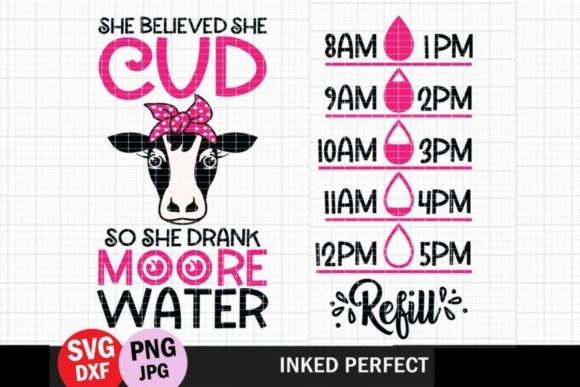
She Believed She Could
As a designer who's spent years working with machine embroidery designs, I've seen countless graphics come and go. But one that stands out for its simplicity and charm is She Believed She Could. It’s a design that feels like it was made for real-world use, not just digital showpieces. Whether you're crafting for your own collection or preparing something for a client, this design has potential—but it also comes with some practical considerations.
The First Impression
From the moment I saw She Believed She Could, it felt like a classic motivational phrase with a modern twist. The layout is clean, the typography is bold, and the overall aesthetic is friendly yet professional. It’s the kind of design that could easily be adapted to a variety of projects, from custom apparel to personalized gifts. The theme is clear: empowerment, confidence, and positivity. That makes it ideal for fitness-related items, but it also works well for baby clothes, holiday decorations, or even as a statement piece on a tote bag.
The design isn’t overly complex, which is a plus for embroidery. It avoids intricate details that might not translate well to stitching. Instead, it uses strong shapes and simple lines that are easy to follow. This makes it a great choice for beginners or those looking for a reliable, repeatable design.
Real-Life Embroidery Scenarios
I tested She Believed She Could on a few different fabrics to see how it would hold up in real situations. On a cotton t-shirt, it looked sharp and legible. The stitch density was just right—enough to make the letters pop without being too heavy. On a sweatshirt, the design maintained its clarity, and the thread colors contrasted well against the fabric.
One of the most promising applications for this design is as a tote bag design. It’s the kind of graphic that can elevate a basic canvas bag into a meaningful, personalized item. For small shop products or Etsy listings, this could be a strong seller, especially if paired with other motivational themes.
It also works well as an embroidered patch. The design is compact enough to fit in a small hoop, making it a good candidate for patches on jackets, backpacks, or even aprons. However, I noticed that on thinner or stretchy fabrics, the design could look slightly compressed. That’s something to keep in mind if you’re planning to use it on activewear or baby clothes.
Where to Use With Caution
While She Believed She Could is versatile, there are a few situations where it might not perform as well. For example, on dark fabrics, the thread color needs to be carefully chosen to ensure visibility. If the design is stitched in a light color on a black background, it could fade or blend in, reducing its impact.
On textured fabrics, such as denim or linen, the design might not sit as smoothly. The stitches could catch on the fabric’s grain, leading to uneven results. Similarly, on thin or stretchy materials, the design may pucker or distort. In these cases, using the right stabilizer is crucial to maintain the integrity of the embroidery.
For curved surfaces like caps or hoods, the design may require some adjustment. While it’s possible to stitch it onto a curved area, the corners might get distorted. That’s why it’s always a good idea to test the design on a scrap piece before committing to a final project.
Impact on Visual Appeal and Value
She Believed She Could adds a strong visual element to any project. Its bold, readable text makes it instantly recognizable, which is important for customer engagement. When used on a handmade product or personalized gift, it gives the item a sense of purpose and meaning.
From a commercial perspective, this design could be a valuable asset for a craft business. It’s simple enough to be used in multiple formats—whether as a digital embroidery file for download or as part of a printable mockup. For an Etsy seller or small shop owner, this kind of design can help build a consistent brand identity.
However, it’s important to consider how the design will be presented. If it’s going to be sold as a finished product, the quality of the embroidery must be high. Poorly executed stitching can make even the best design look unprofessional. That’s why testing the design on different fabrics and using proper techniques is essential.
Practical Designer Notes
If you’re planning to use She Believed She Could in your next embroidery project, here are a few key points to keep in mind:
- Test on scrap fabric first to see how the design looks in different conditions.
- Check thread color contrast to ensure it stands out on the intended fabric.
- Review stitch density to avoid overworking the design or making it too dense.
- Confirm hoop size to ensure the design fits comfortably without stretching or distorting.
- Inspect small details to make sure everything is clear and well-defined.
- Test in black and white mockups to see how it looks without color.
- Compare light and dark fabric backgrounds to choose the best option for your project.
- Use proper stabilizer to prevent puckering or distortion on tricky fabrics.
- Check licensing before selling finished items or digital products.
Ultimately, She Believed She Could is a design that offers both style and function. It’s perfect for anyone looking to add a touch of motivation or personality to their work. Whether you’re an embroidery designer, a small shop owner, or a creative entrepreneur, this design has the potential to enhance your offerings and connect with your audience.